

Glute bridge vs hip thrust: which should you do?
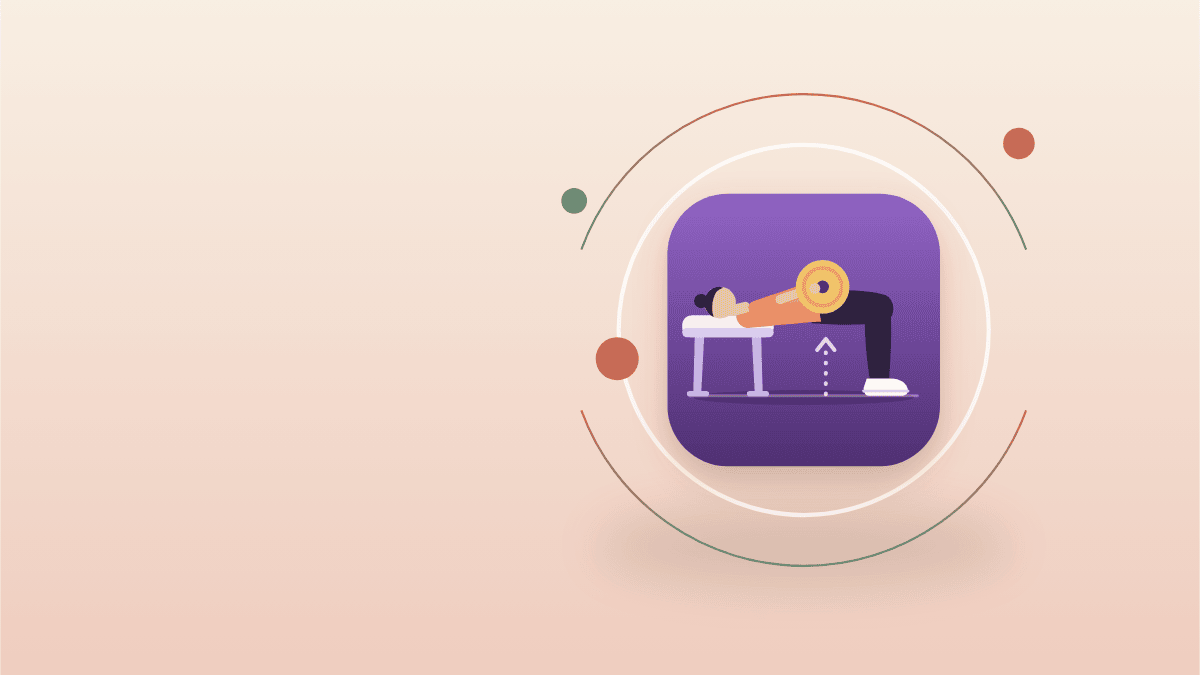
Glute bridges and hip thrusts look almost the same, and both train the same hip extension movement. The difference is in the setup, and that changes how much you can load them and where they fit in your week.
Strong hips matter for everyday things like climbing stairs, getting up from the floor, and lifting safely. Here is how to choose between the two and how to progress them over time.
Quick answer
In a glute bridge your shoulders stay on the floor. In a hip thrust your upper back rests on a bench, which gives a bigger range of motion and makes heavier loading easier. Start with glute bridges if you are new, training at home, or want a simple warm up. Move to hip thrusts when bridges feel easy and you want to keep adding load. Both work the glutes, hamstrings, and core, and StrongEra can help you keep that progression steady over the weeks.
How the two exercises compare
| Glute bridge | Hip thrust | |
|---|---|---|
| Setup | Lying on the floor, shoulders down | Upper back on a bench or step |
| Range of motion | Shorter | Longer |
| Equipment | None needed | Bench or sturdy support |
| Loading | Bodyweight, band, or a dumbbell | Dumbbell, band, or barbell |
| Good for | Beginners, home training, warm ups | Building strength once bridges feel easy |
For both, the cues are similar. Feet flat and about hip width apart, drive through your heels, and finish by squeezing your glutes rather than arching your lower back. At the top, your knees, hips, and shoulders should form a roughly straight line.
When to choose a glute bridge
The glute bridge is the easier starting point. It needs nothing but the floor, the setup is quick, and it is a good way to learn how to move from the hips. It also works well as part of a warm up before squats or deadlifts.
If floor exercises are uncomfortable, or you want to keep impact low, bridges are an easy fit. Our guide to low-impact strength training for women over 40 has more ideas in the same spirit.
When to move to a hip thrust
Once you can do controlled sets of bridges without much effort, the hip thrust gives you more room to grow. The bench setup lets your hips travel further and makes it easier to hold a heavier dumbbell or barbell in place.
Build up gradually. Add a few reps first, then a little weight, the same way you would with any lift. That steady approach is the core of progressive overload, and it matters more than which variation you pick. If you are thinking about how hip work fits alongside other movements, see our six essential strength exercises for women over 40.
StrongEra builds your plan around your experience and equipment, then adjusts reps and load based on how your previous sessions felt, so progress does not depend on guesswork.
Takeaway
Glute bridges and hip thrusts train the same movement. Bridges are simpler and need no equipment, while hip thrusts allow a bigger range and heavier load. Start where you are comfortable, progress slowly, and choose the version that fits your space and experience.
Please note: StrongEra provides general fitness information only. It is not medical advice. Please consult a qualified healthcare professional before starting a new exercise program.
Frequently asked questions
What is the difference between a glute bridge and a hip thrust?
In a glute bridge your shoulders and upper back stay on the floor. In a hip thrust your upper back rests on a bench or sturdy step, which lets your hips travel through a bigger range and makes it easier to add heavier load.
Is a glute bridge or hip thrust better for beginners?
The glute bridge is usually the easier place to start. It needs no equipment, the setup is simple, and it teaches you to drive through your heels and finish with your hips rather than arching your lower back.
Can I do hip thrusts at home?
Yes. A sturdy couch edge or bench works for support, and a dumbbell or resistance band across the hips adds load. Make sure whatever you lean on cannot slide away from you.
Do glute bridges and hip thrusts work the same muscles?
Mostly, yes. Both work the glutes as the main muscles, with help from the hamstrings and core. The hip thrust usually lets you load the glutes more heavily because of the bigger range and stable bench setup.