What changed four years after my osteoporosis diagnosis
Hi, I'm Claire McGregor, co-founder of Tiny Ideas and Fortify. Four years after being diagnosed with spinal osteoporosis at 41, I got the news I had been hoping for: I no longer have osteoporosis in my spine. This post is a personal follow-up on what changed, what stayed hard, and why that result meant so much to me.
If you have not read the first part of the story, start with why we built Fortify.
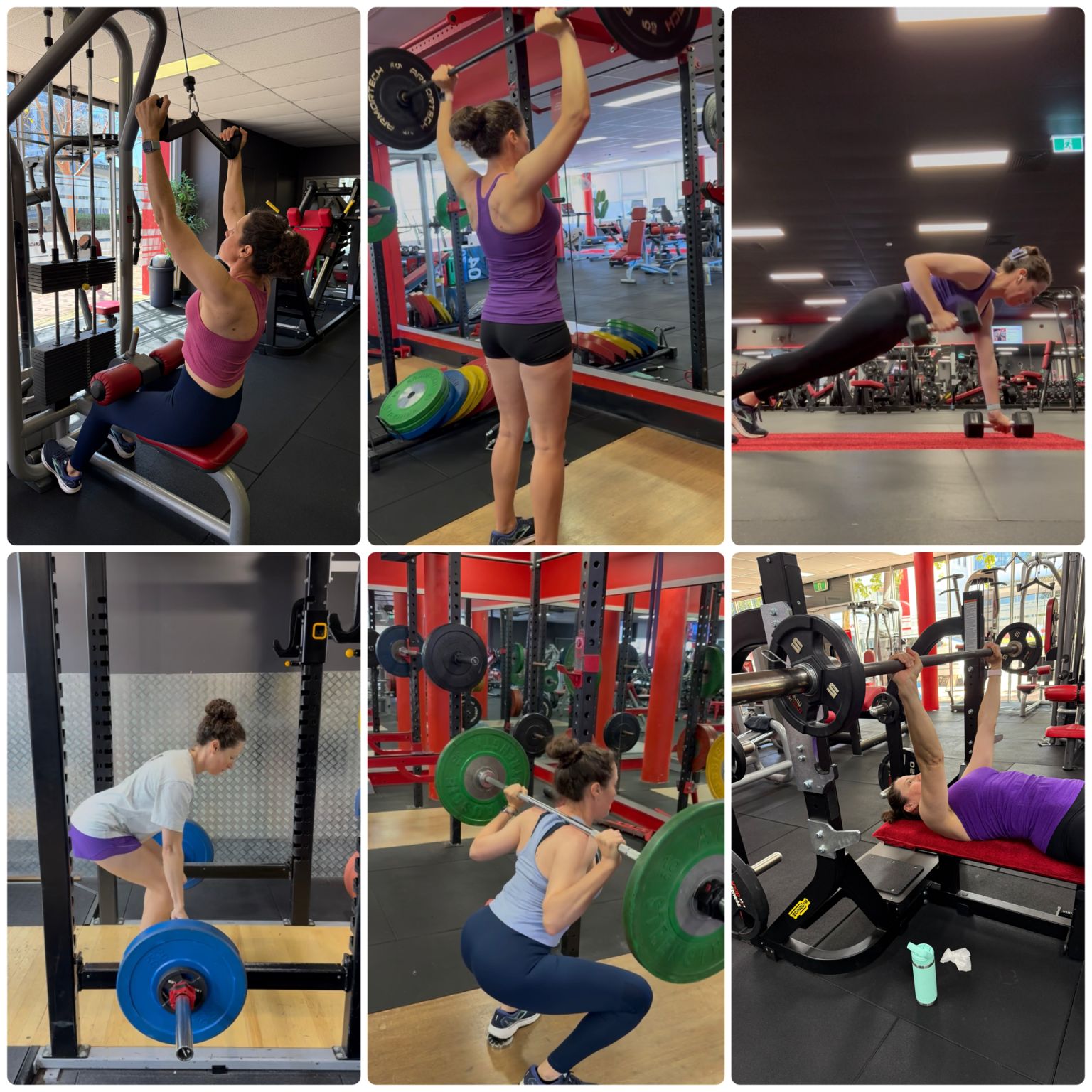
What changed over four years
Four years ago, at 41, I was diagnosed with spinal osteoporosis. Three years ago I started lifting heavy and eating a lot more, especially protein. Two years ago I had another bone density scan and saw very little change. I still had osteoporosis.
Around that point I started HRT and increased strength training from one or two sessions a week to three or four. A year ago, Stuart Hall and I committed to building Fortify to help women learn to lift heavy after 40. The research for the app gave me another shove in the right direction, and I began focusing on lifting close to failure in every set.
Last week I managed a barbell deadlift of my own bodyweight for the first time. That is more than four times the weight I could lift when I started.
Why this result meant so much
With two years between scans, it was hard to know whether the work was helping. That made motivation hard at times. I knew there was a real possibility that time and aging could be working against me faster than I could encourage my body to make more bone.
That is why this latest result felt so emotional. I have worked very hard toward it, but I also know I have a level of privilege and a support system that made that work easier to do. Even with that support, it was difficult to tell for a long time whether my efforts were moving the needle at all.
What I keep coming back to is that I had more agency over this outcome than I first thought. If bone health is part of why you are training, our guide to strength training apps for bone health may help you think through what support matters most.
What came out of the diagnosis
A lot of good has come out of a challenging experience. Osteoporosis kicked my butt into the gym, and now I feel stronger at 45 than I did at 25. That still surprises me.
The diagnosis also led directly to Fortify. Stuart and I built the app on the back of this experience, and we now get emails several times a week about the positive impact it is having for users. It is the piece of work I feel most proud of over my whole career.
If you are curious about the app itself, or trying to find a plan that feels realistic, this guide on how to choose a strength training app for women over 40 is a practical next step.
Takeaway
The point I keep slowly coming back to is that I had more agency over the outcome of this diagnosis than I first thought. Maybe someone else needs to hear that today. Progress can still be hard, slow, and uncertain, but that does not mean your efforts are meaningless.
This post shares one person's experience and is for general information only. It is not medical advice. Please consult a qualified healthcare professional for personal guidance.